West Post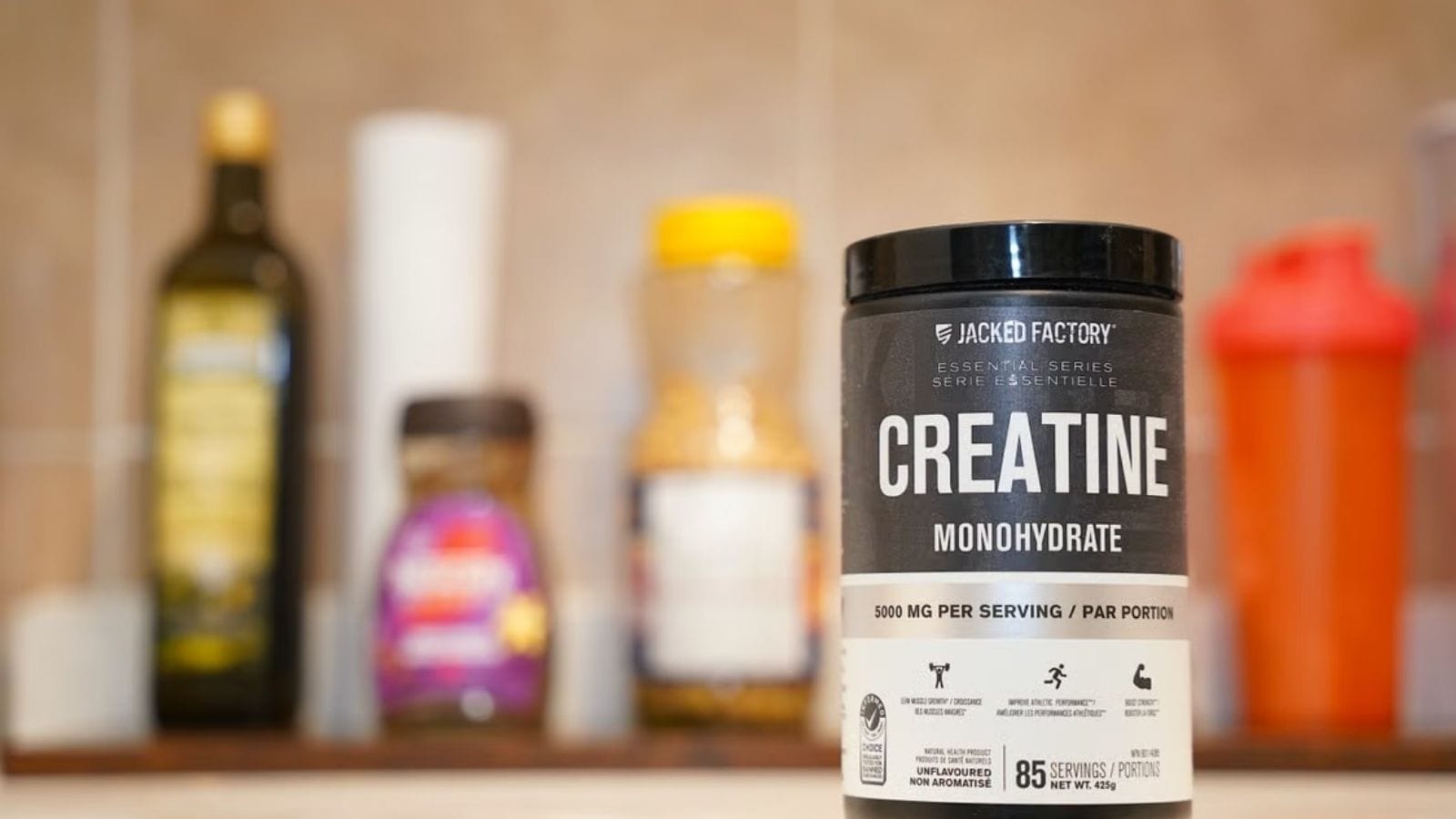
Most studies used about five grams a day, and the clearest muscle benefits were observed when creatine was combined with resistance training. Evidence for brain and mood benefits is far less conclusive. 3 Min Read A tub of creatine now shares shelf space with protein powder in pharmacies that didn't stock it a few years ago. A 2021 review in Nutrients, led by University of North Carolina researchers, found that women naturally store 70 to 80% less creatine than men.
Menopause brings further changes in how the body uses creatine, exactly when muscle, Strength and brain function need protecting most. "The evidence does support that it's a safe supplement to take, especially for women," says Bonnie Jortberg of the University of Colorado School of Medicine, a dietitian typically sceptical of supplement trends. Her backing of it says something.
Creatine used to sit firmly in gym-bag territory, something bodybuilders scooped into shakers between sets. That's changed fast enough to show up in the sales numbers: women made up just 18 per cent of creatine purchases in 2020, now 30 per cent, according to GNC. "Creatine is now in more baskets than almost any other supplement we carry," says Mark Butera, GNC's vice president of merchandising.
Clinical data also supports the shift. A 2026 meta-analysis of seven randomised trials involving more than 600 postmenopausal women found that creatine, taken with resistance training, increased lean muscle mass by 0.37 kilograms and leg-press strength by 7.5 kilograms more than a dummy pill did. The gains were modest but meaningful, given that women lose muscle faster than men after menopause, as falling oestrogen alters how the body uses its own creatine.
Also Read: Vitamin B12: 5 common foods that can help you meet your daily requirement There's a brain angle too, and it's new. Researchers at the University of North Carolina at Chapel Hill are running a trial on 51 perimenopausal women to test whether creatine, combined with resistance training, changes brain metabolism and cognitive performance, not just muscle. Early studies have found shifts in reaction time and brain creatine levels during this transition, though findings remain preliminary.
Not every finding cooperates, though. The largest trial to date followed 237 postmenopausal women for two years, comparing creatine plus exercise with exercise plus a dummy pill, and found no meaningful difference in bone strength between the groups. Philip Chilibeck of the University of Saskatchewan, who led the study, had expected creatine to help, based on an earlier, smaller trial.
"The lack of an effect on bone density does not support our original theory," he and his co-authors wrote in Medicine & Science in Sports & Exercise. So if a brand sells creatine as bone protection, this study says otherwise. This matters even more for Indian women, whose diets rarely include the two foods that creatine actually comes from.
Vegetarian diets provide almost no dietary creatine, since it comes mainly from meat and fish. A 2020 review in the International Journal of Environmental Research and Public Health found that vegetarians generally have lower muscle creatine stores than meat eaters, a relevant fact where vegetarian diets are common. So what does this mean if you're considering it?
Most studies used about five grams a day, and the clearest muscle benefits were observed when creatine was combined with resistance training. Evidence for brain and mood benefits is far less conclusive. Check with your doctor first, especially if you're on medication or have kidney concerns.
Also Read: The chemistry of savoriness: How traditional Indian cooking and umami can cut sodium by 40%
Source: CNBC TV18