West Post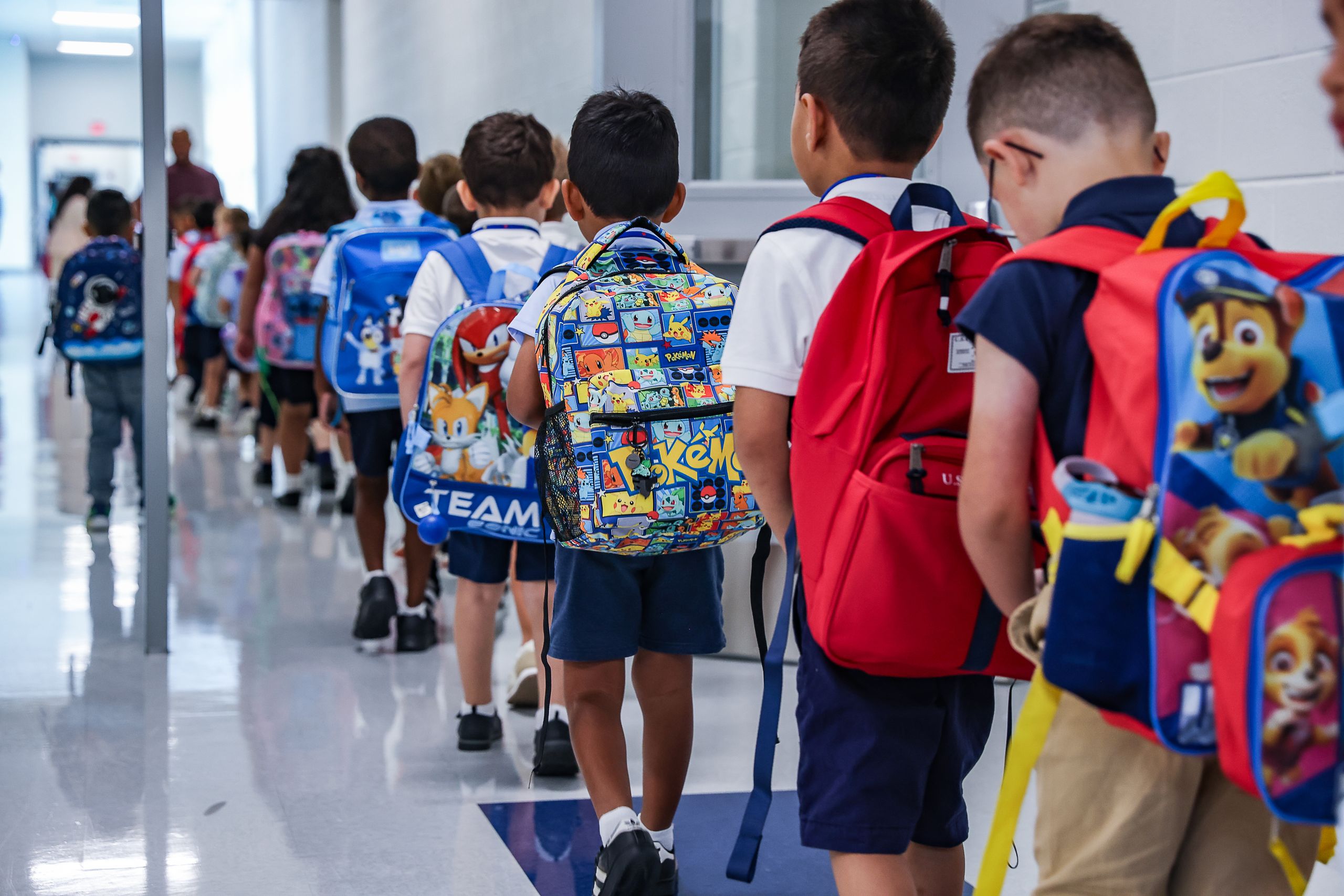
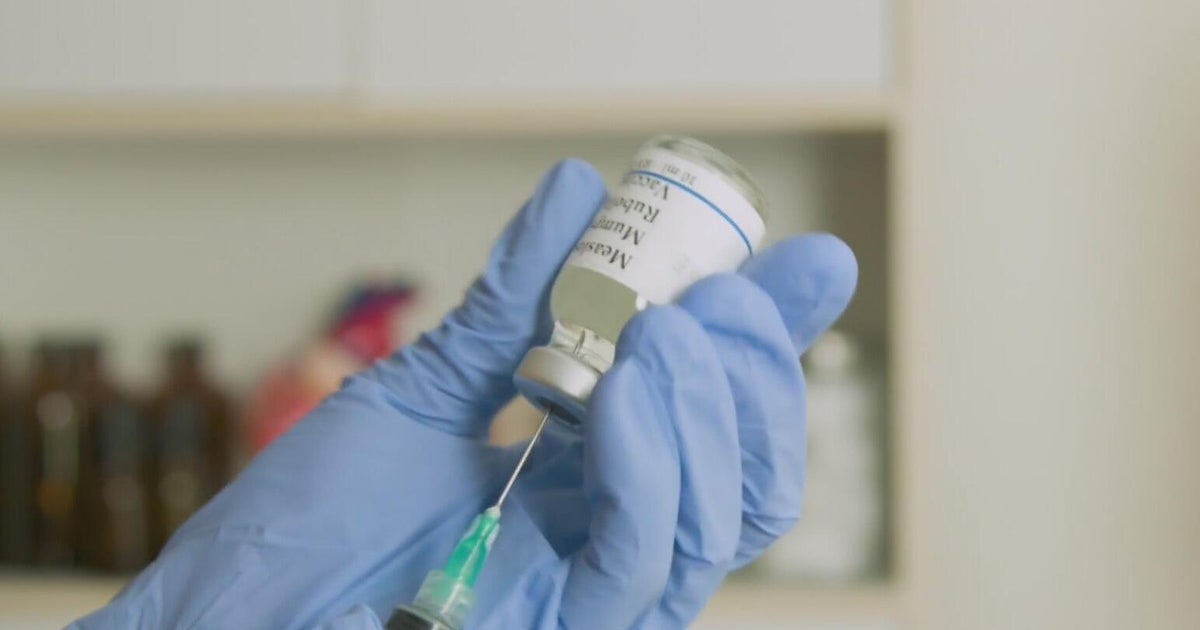
As students head back to school, parents have all the usual worries about their kids, like remembering to pack lunch and making it to the bus stop on time. But parents of immunocompromised kids have a new concern: the resurgence of measles. Cases of the highly transmissible disease have reached a 35-year high in the US, with nearly 3,000 confirmed infections in 2026 so far. The first two measles-related deaths of the year were recorded in Pennsylvania, as the school year began. With vaccination rates dropping across the country, parents of kids who cannot be vaccinated or have weakened immune systems are forced to make difficult decisions about school safety.
Victoria Schiano, national community engagement coordinator for Little Lobbyists, a nonprofit advocating for children with complex medical needs, says the return of measles is "absolutely terrifying." A CDC study estimated that 2.6 percent of US children have compromised immune systems, which can be genetic or due to conditions like mitochondrial disease. Schiano’s 10-year-old son, who has mitochondrial disease, cannot be vaccinated and receives weekly immunoglobulin infusions. "Measles is dangerous for anyone, but for him, this could be life or death," she says. The virus can cause severe complications like pneumonia and brain swelling, and it can lead to immune amnesia, making people vulnerable to other diseases.
Schiano’s family has had to limit her son’s social activities due to safety concerns. She’s prepared to keep him out of school if there’s even one confirmed measles case, though this comes with risks of increased social isolation and mental health issues. Amalia, a parent in South Carolina, has already chosen to keep her 16-year-old son home and do online schooling due to measles concerns. Her son has immunoglobulin A deficiency, making him more susceptible to infections. She lives in Spartanburg County, where measles broke out earlier this year, causing nearly 1,000 cases and 21 hospitalizations. Most cases were among unvaccinated children, despite a 94 percent increase in vaccines administered during the outbreak.
Amalia’s family is considering moving due to anti-vaccination sentiment and hostility toward masking. Cortney, another South Carolina parent, says the state’s outbreak was concerning because her family had to avoid unnecessary stops near the outbreak area. Her 17-year-old daughter, Grace, who is immunocompromised, does not wear a mask at school due to fear of bullying. Cortney prefers masking in public but worries about being ostracized. "We have to think about that," she says, "because you worry that your family could be targeted."
Source: WIRED